
Blog/Video requests
Video requests

How to Get Customers to Actually Record a Video Testimonial

The ask matters less than the friction around it. Here's how magic links, QR codes, and timing change whether a customer actually records a testimonial.

DSDivyang Suthar
Developer, HelloFeed
Jul 6, 20262 min read
Executive summary

Customers don't skip video testimonial requests because they dislike your product — they skip them because of friction: an account to create, an app to install, or a request that arrives at the wrong moment.

Key takeaways
  • Remove the account/app requirement entirely — a magic link that opens straight to a mobile camera converts far better than a portal login.
  • Ask at the moment of delight (right after a win, not on a delay), and say specifically what outcome you want them to mention.
  • QR codes work well for in-person or point-of-sale moments where a link isn't practical to share.
  • A 60-second video is the realistic ceiling for response rate — don't ask for more than that.

The instinct when testimonial volume is low is to ask more people. The actual fix is almost always to remove friction from the ask itself. We've watched the same request template go from a single-digit response rate to something usable purely by changing how the customer gets from "yes" to "recording."

The account wall is the biggest silent killer

If your request sends someone to "sign up to submit your testimonial," you've lost most of them before they've even seen a camera. A magic link — a unique URL that opens directly to a mobile-optimized recording screen, no login, no app — removes the single biggest drop-off point. HelloFeed's collection flow is built around exactly this: one link, camera opens immediately, done in about a minute.

(Placeholder video embed for testing — swap for a real HelloFeed walkthrough clip.)

Timing beats wording

The best-written request sent at the wrong moment still underperforms a mediocre one sent right after a win. Ask when the customer has just experienced the outcome you want them to describe — right after a support interaction that went well, right after they hit a milestone with your product, right after a renewal. Waiting a week to "batch" your requests loses the specific, vivid detail you actually want in the clip.
Tell them exactly what to talk about

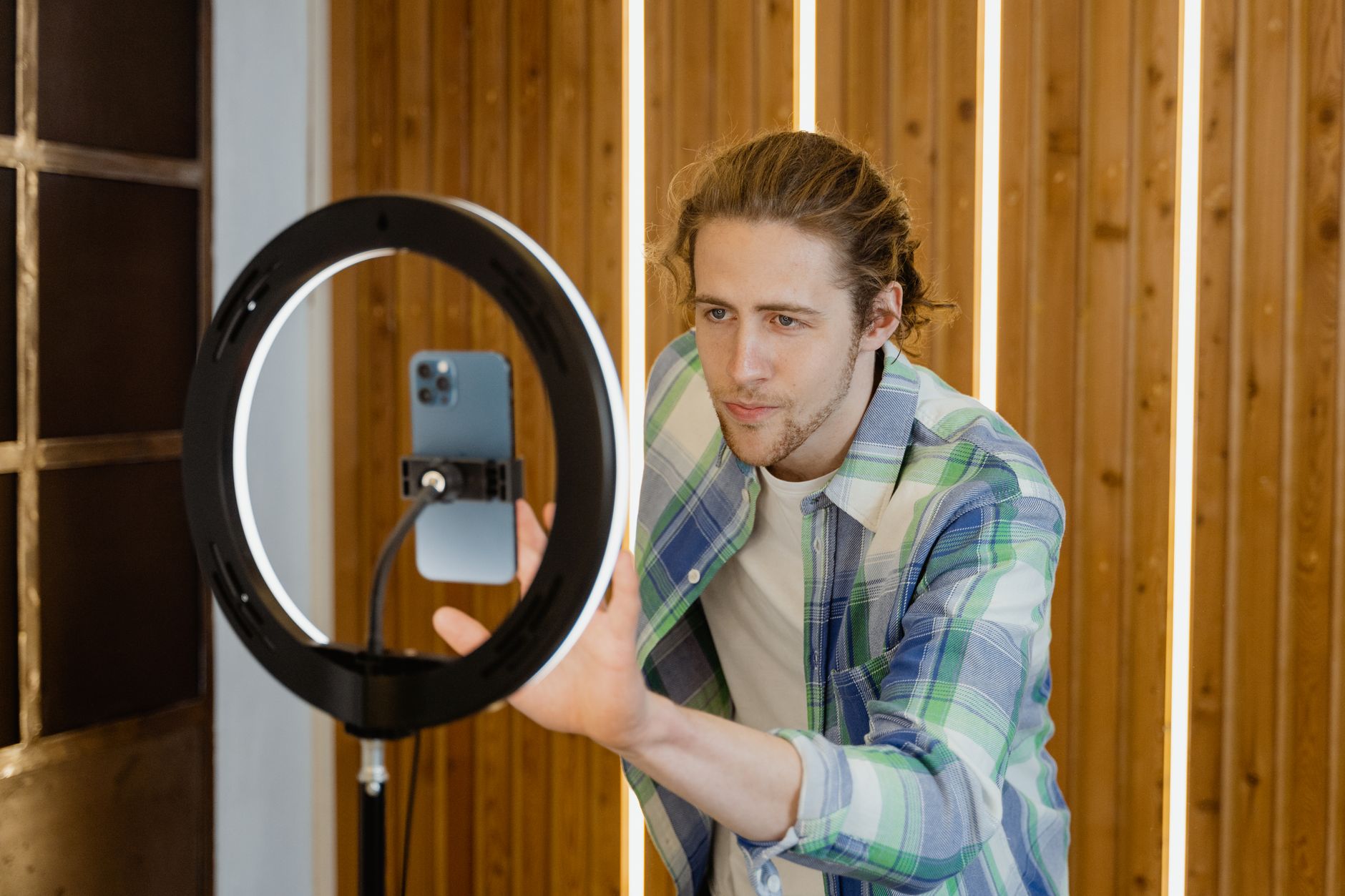
"Would you leave us a testimonial?" produces vague, generic answers. "Could you share what changed after you started using [specific feature] — even just 30 seconds?" produces a usable, specific claim. Give the customer a narrow prompt, not an open one.

QR codes for in-person moments

Not every good moment is digital. A QR code on a receipt, a table tent, or a booth at an event captures the "I'm delighted right now" moment when a link in an email would arrive hours or days later, after the feeling has faded. QR codes work best when the destination is exactly as low-friction as the magic link — camera opens, no typing required.

The ask that works is short, specific, arrives at the right moment, and gets out of the customer's way as fast as possible.

What "low friction" looks like end to end

  • One link or one QR scan — no account, no app install.
  • A specific, narrow prompt about what to mention.
  • Sent at the moment of a clear win, not batched later.
  • A realistic 30-60 second ask, not "record a few minutes about your experience."

None of this requires new technology to understand — it requires being honest about how much friction your current request actually has, and cutting it.

Frequently asked questions

What's the best way to ask a customer for a video testimonial?
Send a direct, personal request at a moment of clear satisfaction (after a support win, a renewal, a milestone), with a single link that opens directly to recording — no account creation, no app download.
How long should a requested testimonial be?
Ask for 30-60 seconds. Longer requests reduce completion rates, and the useful clip is usually only 5-15 seconds of that anyway.
Are QR codes actually effective for collecting testimonials?
Yes, specifically for in-person moments — at an event booth, on a receipt, or at checkout — where scanning is faster than typing a URL or checking email.
Should I offer an incentive for recording a testimonial?
It can help with volume, but be transparent about it, and note that incentivized reviews may need disclosure depending on where you publish them (e.g. FTC guidance in the US).

Sources & references

  1. HelloFeed
  2. HelloFeed blog
DS
Divyang Suthar
Developer, HelloFeed

Divyang built HelloFeed end-to-end — the testimonial collection flow, AI money-line scoring, licensing and e-signature consent, ad-ready clip export, and the embeddable widgets. He writes from first-hand experience shipping the exact features these articles describe.

Sole engineer of HelloFeed. Designed and built the product's testimonial collection pipeline, video processing, licensing/consent system, and embed infrastructure from scratch.

Every other week

Get the playbook in your inbox

Tactics on collecting testimonials and turning them into ads. No fluff.

Find the money line in your own testimonials

Start free. Your first magic link goes out in minutes.